Maximizing Customer Engagement through Multi-Channel Strategies in 2026
Explore multi-channels strategies for customer engagement in 2026.
Maximizing Customer Engagement through Multi-Channel Strategies in 2026
Introduction
In the ever-evolving landscape of digital marketing, businesses must stay ahead of the curve to remain competitive. As we navigate through 2026, multi-channel engagement strategies have taken center stage, providing remarkable opportunities for businesses to enhance their customer interactions. These strategies capitalize on the use of various digital touchpoints to deliver personalized experiences, leading to significantly higher conversion rates, revenue growth, and customer lifetime value.
The Rise of Multi-Channel Strategies
Embracing AI-Powered Personalization
The utilization of AI-driven personalization across more than ten digital touchpoints is revolutionizing customer engagement. Whether it's through email, LinkedIn, phone calls, webinars, or SMS, businesses are witnessing conversion rates soar by up to 250%, with revenue growth accelerating 3.5 times faster compared to single-channel strategies.
Buyer Behavior and Channel Preferences
With B2B buyers involving 6–10 stakeholders in their decisions, it is crucial for businesses to deploy coordinated campaigns that cater to complex sales cycles. Personalization remains key, as 78% of companies leverage AI to tailor content and enhance omnichannel experiences. This includes predictive recommendations and lead scoring that are crucial in aligning with buyer preferences.
Strategies for Success
Crafting the Right Channel Mix
In 2026, the ideal channel mix includes email, LinkedIn, phone, SEO, PPC, social media, webinars, SMS, in-app messaging, and events. This comprehensive approach taps into both digital and offline touchpoints, ensuring thorough engagement with potential customers.
Orchestrating Seamless Customer Journeys
Real-time AI is instrumental in journey mapping, frequency control, dynamic content creation, and using intent data effectively. By integrating sales and marketing efforts, businesses can present a consistent message across all platforms.
Measuring Success and Ensuring Longevity
To truly understand the impact of these strategies, businesses need to focus on measurement. Tracking retention rates, customer lifetime value, and conversion metrics across channels helps in refining strategies and ensuring balanced channel reliance.
Data Insights and Implications
An estimated 494% increase in engagement and a dramatic uplift in purchase rates are seen when campaigns engage through three or more channels. Furthermore, omnichannel strategies are associated with a 30% higher customer lifetime value, highlighting the importance of a well-coordinated approach in enhancing customer loyalty and driving growth.
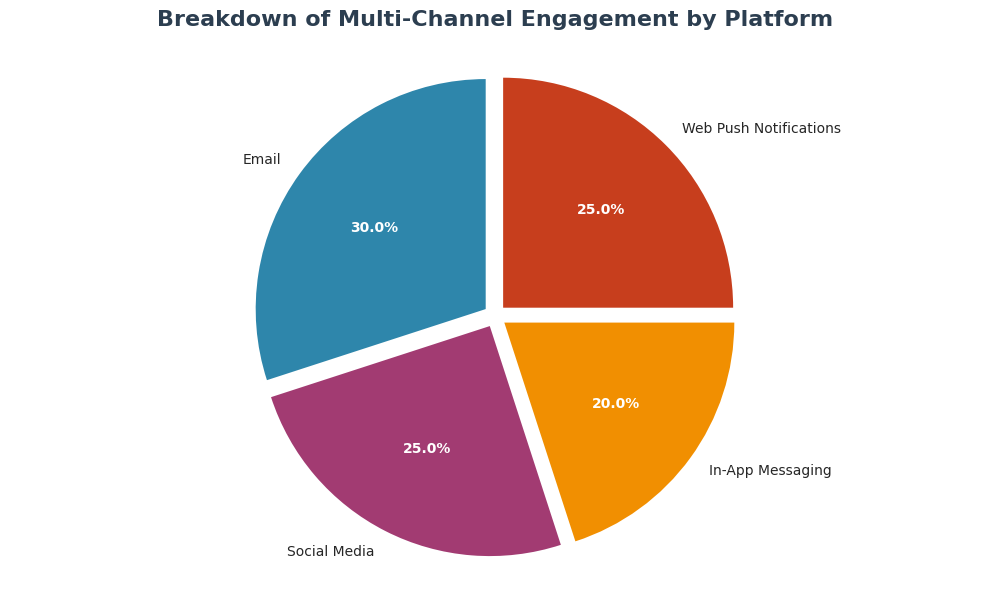
The pie chart provides a percentage breakdown of customer engagement across different digital platforms, highlighting email and social as significant contributors.
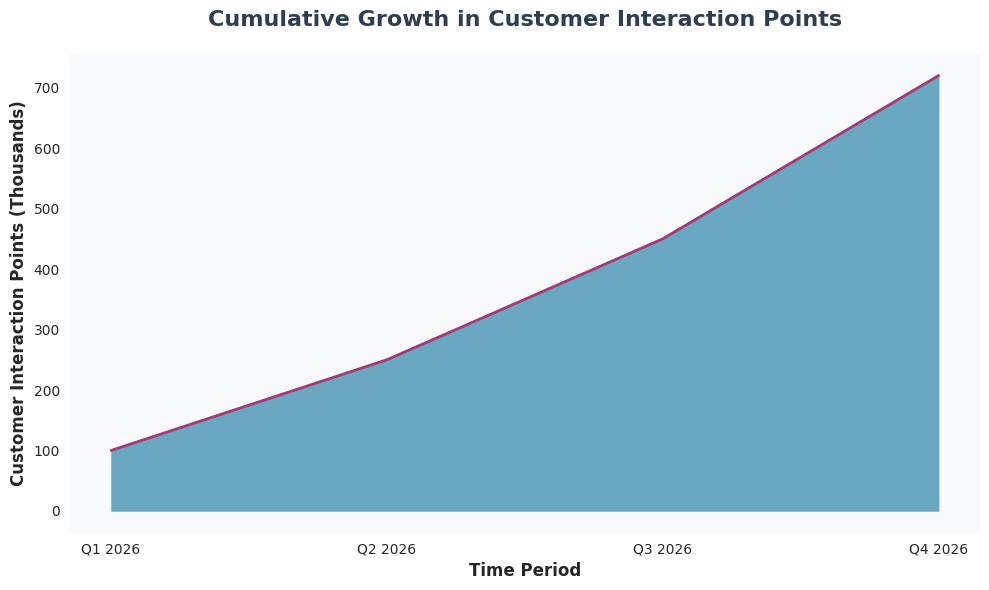
This area chart shows the cumulative growth in customer interaction points over the year 2026, indicating a remarkable increase as multi-channel strategies enhance customer touchpoints, driving engagement and interaction.
Conclusion and Actionable Takeaways
Implementing a robust multi-channel strategy is not just advantageous; in 2026, it is essential. Businesses that prioritize AI-driven personalization and diversified channel use will gain competitive advantage, foster deeper connections with their audience, and enjoy unparalleled success in their customer engagement efforts.
Key Takeaways
- Prioritize AI-driven personalization to leverage multiple channels effectively.
- Construct a balanced channel mix to maximize customer interactions.
- Measure success through comprehensive cross-channel metrics.
- Maintain consistent messaging by integrating sales and marketing efforts.