Transforming Lead Generation with AI Tools in 2026
AI-driven lead generation revolutionizes the process in 2026.
Transforming Lead Generation with AI Tools in 2026
Introduction
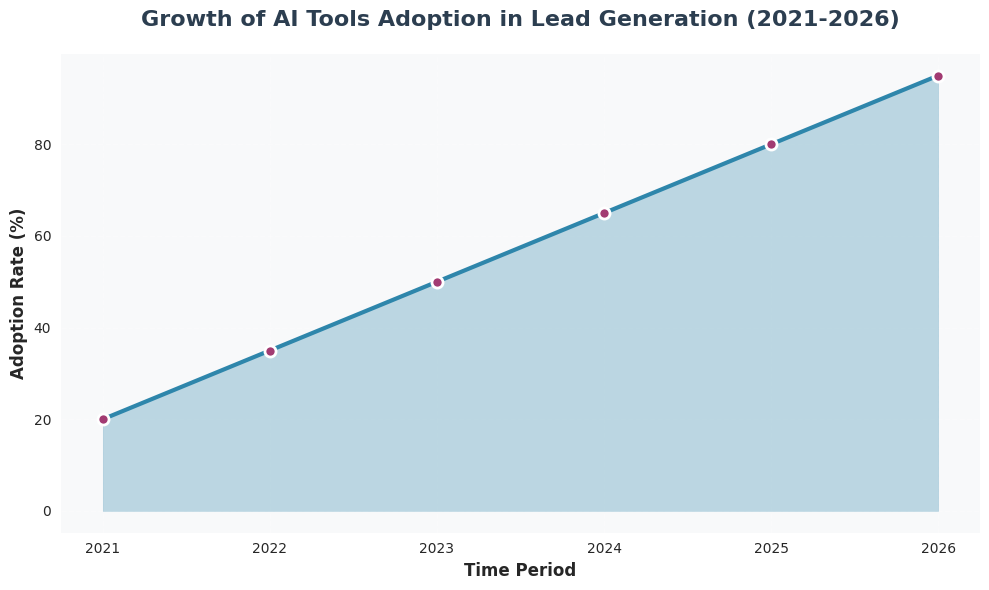
The landscape of lead generation is set to be fundamentally transformed by 2026, driven predominantly by the integration of Artificial Intelligence (AI) tools [1][2]. As businesses strive for efficiency and effectiveness, AI comes forth as the catalyst that revolutionizes traditional methods [3]. By enhancing precision and enabling faster, data-driven strategies, AI in lead generation promises to deliver not only a higher quantity of leads but, more importantly, a greater quality that aligns with business objectives [4].
AI: The Game Changer in Lead Generation
Predictive Scoring and Intent-Based Targeting
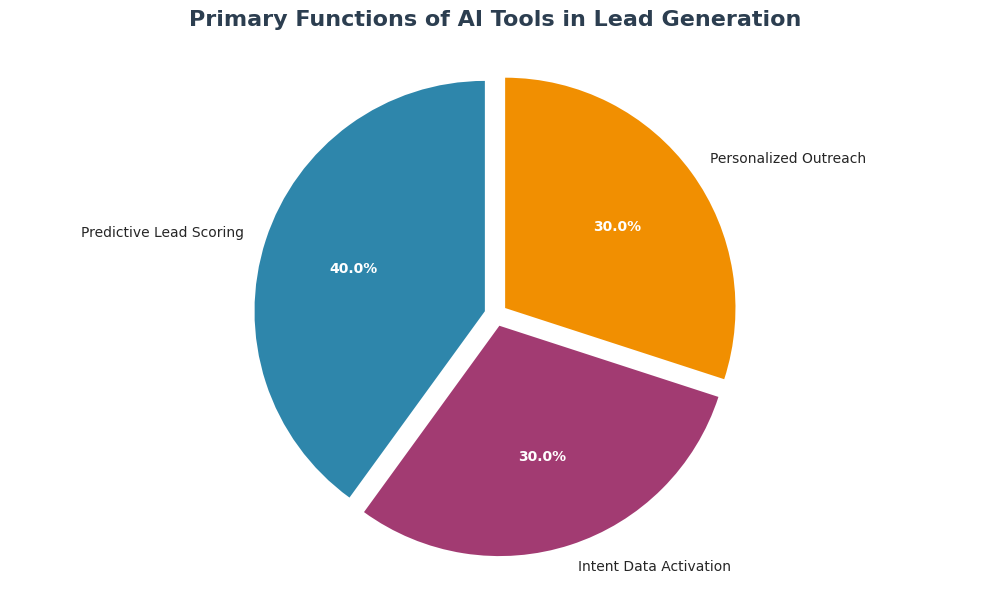
AI tools in 2026 have moved far beyond basic automation; they now offer revolutionary predictive scoring capabilities [1]. These tools are able to dive deep into vast data landscapes, identifying in-market buyers through signals such as content consumption and search behaviors [2][5]. Such capabilities allow sales teams to prioritize high-intent prospects, ultimately improving conversion rates and reducing customer acquisition costs [3][4]. Tools like 6sense are at the forefront, providing insights into the 'dark funnels' of buyer intent and enabling targeted strategies [5].
Automation and Multi-Channel Orchestration
AI has also revolutionized the way businesses carry out multi-channel marketing [1]. Automation tools manage everything from data enrichment to orchestrating email, chat, ad, and social media campaigns effortlessly [2]. AI-driven platforms minimize the need for manual input, allowing campaigns to be dynamically adapted based on real-time interactions [3].
Real-Time Qualification and Conversational AI
Conversational AI in the form of chatbots and voice assistants is reshaping the lead generation funnel [4]. By operating round-the-clock across different time zones, these tools ensure potential leads are met with immediate engagement, providing instant qualification and booking meetings without the traditional wait times [5].
Personalization at Scale
AI has made it possible to deliver personalization at scale, crafting messages that are tailored to the individual based on an analysis of their data, company context, and past interactions [2]. Tools like Clay make use of intelligent agents that automate this process, enriching interactions and ensuring a personal touch without the need for manual customization [1].
Key AI Tools Leading the Way
Here's a snapshot of leading AI tools set to dominate the lead generation industry in 2026:
| Tool | Core Strengths | Ideal For | |--------------------|-------------------------|----------------------------| | ZoomInfo Sales | B2B data and AI scoring | Pipeline generation | | Leadsforge | AI discovery and verification | Lean outbound teams | | Clay | Enrichment orchestration| GTM automation | | Apollo/Seamless.AI | Prospecting and outreach| High-volume teams | | HubSpot Breeze AI | CRM-native workflows | SMB/mid-market | | Expandi/Instantly | Omnichannel automation | Cold outreach | | 6sense/Leadfeeder | Intent detection | ABM/inbound | | Gong | Conversation intelligence| Deal coaching |
Impacts on Sales Teams and Market Dynamics
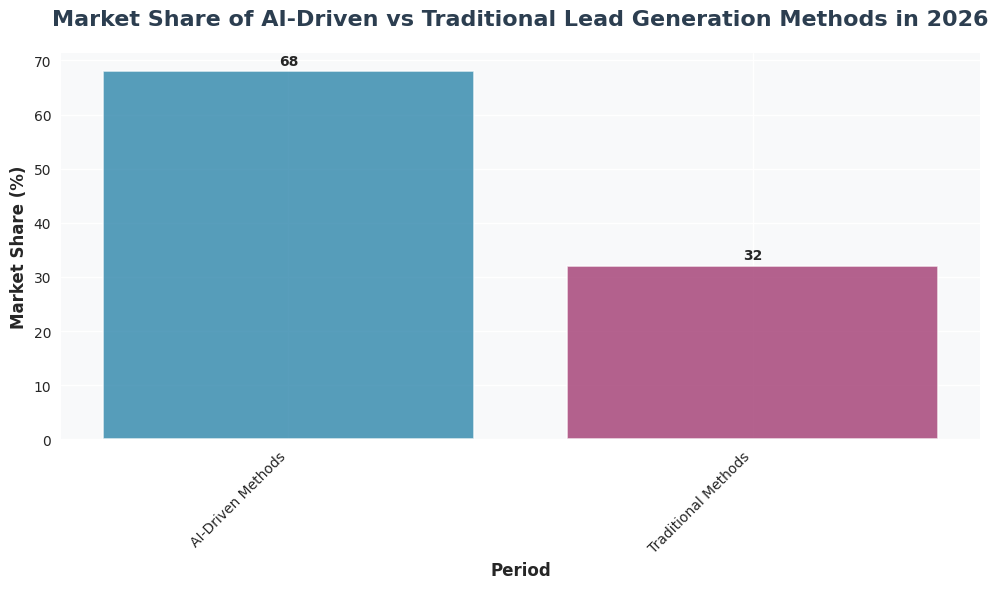
AI is shifting the sales focus from labor-intensive list-building to strategically closing deals [3]. With increased reliance on sophisticated AI tools, sales teams can achieve higher response rates through nuanced personalization and reduce lead acquisition costs as data verification and enrichment processes become more refined [1]. Moreover, AI allows teams to integrate seamless workflows, breaking the silos of traditional methods and fostering a more interconnected, proactive sales approach [2].
Additionally, as AI technologies mature, data privacy and integration issues present challenges, yet the trend towards unified tech stacks is evident [4]. Enterprises are embracing such AI-driven solutions like Salesforce Einstein, allowing them to scale efficiently and maintain competitiveness [5].
Conclusion
The integration of AI tools into lead generation strategies by 2026 represents not just an evolution, but a revolution [1]. The data-driven insights, the enhanced personalization, and the automation capabilities all point towards an era where businesses can not only reach more leads but also elevate the quality of engagement [3]. As AI continues to reshape the marketing and sales landscape, the businesses that leverage these technologies early will undoubtedly lead the way in future market dynamics [2].
References
[1] Improvado: AI Lead Generation Best Practices
[2] Amplemarket: Best AI Lead Generation Tools
[3] Consultancy.org: AI in Marketing
[4] BCG: AI Sales Trends
[5] Salesforce: Effective AI Integration