How AI is Revolutionizing Lead Generation & Customer Engagement
leadsbuddha

How AI is Revolutionizing Lead Generation & Customer Engagement
Introduction
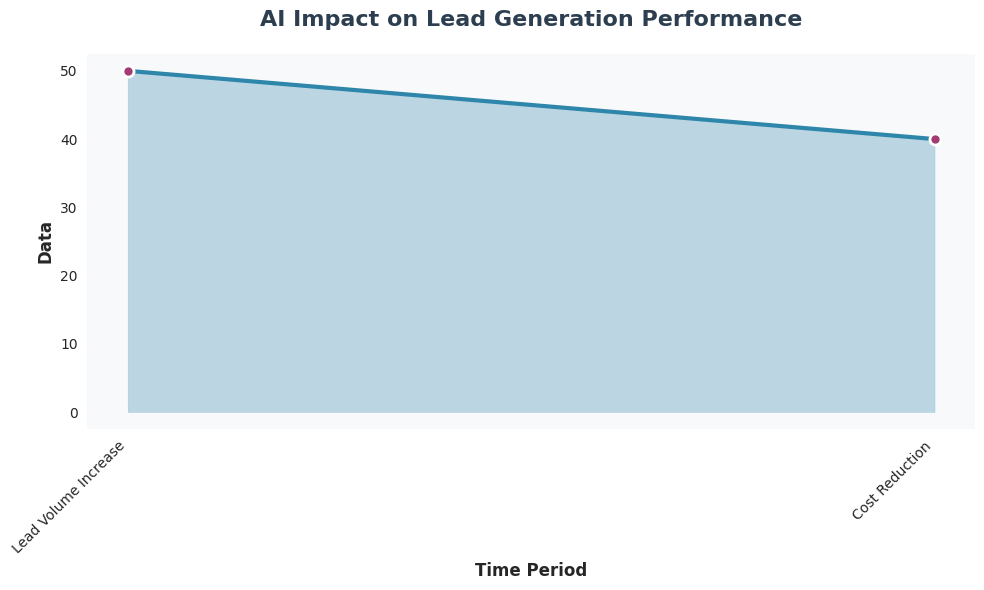
Here's a staggering reality: businesses employing AI for lead generation report a 50% increase in lead volume and a 40% reduction in costs. Yet despite these transformative numbers, many organizations are still clinging to outdated manual processes that drain resources and miss opportunities. The artificial intelligence revolution isn't coming to lead generation—it's already here, fundamentally reshaping how businesses identify, qualify, and nurture prospects.
The traditional spray-and-pray approach to lead generation is dying. In its place, AI-powered systems are enabling hyperpersonalized customer engagement at scale, predictive lead scoring that identifies your hottest prospects before they even raise their hand, and 24/7 automated nurturing that never sleeps. Whether you're in B2B marketing, sales automation, or customer experience optimization, understanding how to leverage AI lead generation tools and strategies isn't optional anymore—it's essential for survival.
In this comprehensive guide, you'll discover the current state of AI in lead generation, the most impactful tools and strategies transforming the landscape, and actionable steps to implement AI-powered customer engagement in your own business. We'll explore real-world case studies, expert insights, and data-backed approaches that are delivering measurable results right now.
The Current AI Lead Generation Landscape: A Market in Transformation
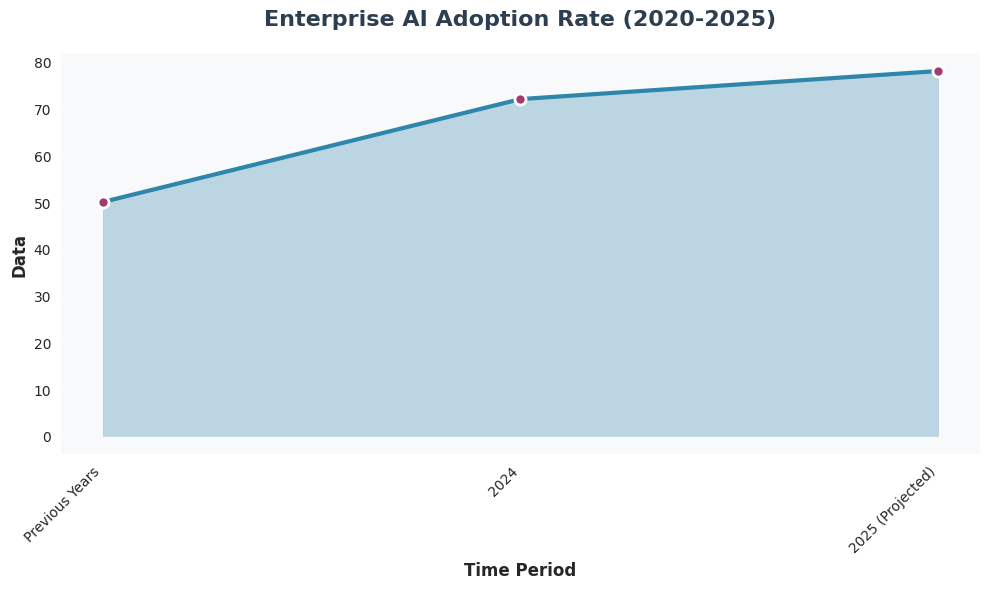
The adoption of artificial intelligence across business functions has reached a tipping point. According to recent data, 78% of enterprises now utilize AI in at least one business function, a significant leap from 72% in 2024 and just 50% in previous years. Even more dramatic, generative AI development adoption more than doubled, surging from 33% in 2023 to over 70% in 2024.
This explosive growth isn't happening in a vacuum—it's being driven by tangible business results. Machine learning algorithms are now analyzing behavioral, demographic, and intent data to prioritize high-conversion leads, cutting manual tasks and boosting efficiency by an average of 30%. Marketing professionals have taken notice: 71% currently use AI features, with a remarkable 92% planning to expand their AI usage in the next year.
The shift toward AI-powered lead generation represents more than just technological adoption—it's a fundamental reimagining of how businesses connect with potential customers. Traditional lead generation relied heavily on manual research, static segmentation, and one-size-fits-all messaging. Today's AI-driven approach uses predictive analytics to identify prospects showing buying intent, chatbots to engage them instantly, and personalization engines to deliver exactly the right message at exactly the right moment.

The most significant trend reshaping the landscape is the integration of intent data with AI systems. Adoption of intent data combined with AI has surpassed 60%, allowing businesses to move beyond traditional firmographics and identify active buying signals in real-time. This means sales teams can now engage prospects who are actively researching solutions, dramatically improving conversion rates and shortening sales cycles.
But perhaps the most compelling statistic for business leaders is this: AI-powered tools improve lead qualification accuracy by an average of 35%. This isn't just about generating more leads—it's about generating better leads, the kind that actually convert into customers and drive revenue growth.
Deep Dive: How AI Transforms Every Stage of Lead Generation and Customer Engagement
Predictive Lead Scoring and Intelligent Qualification
How can AI improve lead generation? The answer begins with predictive lead scoring—one of artificial intelligence's most powerful applications in sales automation. Unlike traditional lead scoring models that rely on static rules ("assign 10 points if they download a whitepaper"), AI-based lead generation systems continuously learn from historical data to identify patterns that actually predict conversion.
Machine learning algorithms analyze hundreds of data points simultaneously: website behavior, email engagement, social media activity, company firmographics, technographic signals, and third-party intent data. The system then assigns dynamic scores that reflect each lead's true propensity to buy, not just their superficial engagement.
Experts in the field emphasize this transformation: "Machine learning analyzes behavioral, firmographic, and intent signals to prioritize high-conversion prospects dynamically, outperforming static rules; platforms deliver 2.9x revenue growth for adopters." This isn't incremental improvement—it's a fundamental leap in how businesses identify their most valuable opportunities.
What are the best AI tools for lead generation in this category? Solutions range from standalone predictive scoring platforms to AI lead generation software integrated directly into CRM systems. These tools continuously refine their models, learning which characteristics and behaviors actually correlate with closed deals in your specific business context.
Hyperpersonalization and Dynamic Segmentation
Can AI personalize customer journeys effectively? The data says yes—emphatically. AI-driven personalization can boost customer engagement by 73% and conversion rates by 58%. More importantly, 80% of customers are more likely to purchase from companies that provide personalized experiences.
Hyperpersonalization goes far beyond inserting a first name into an email. AI for customer engagement analyzes each prospect's unique journey—which content they've consumed, which features interest them most, where they are in the buying cycle—and tailors every interaction accordingly. Machine learning is increasingly used to create dynamic content that adapts in real-time, segmented by source, lifecycle stage, and buying signals, resulting in 10-15% increases in engagement and revenue.

Consider the practical application: When a prospect visits your pricing page three times in one week, AI-powered customer engagement tools can trigger a personalized email from a sales representative, a targeted retargeting ad addressing common pricing questions, and a chatbot offer for a customized demo—all coordinated seamlessly. This level of intelligent orchestration was impossible with manual processes.
Conversational AI and 24/7 Lead Engagement
How is AI used in customer engagement on the front lines? Increasingly, through conversational AI for customer engagement—sophisticated chatbots and virtual assistants that can handle complex interactions, qualify leads, and nurture relationships around the clock.
Modern AI chatbots have evolved far beyond their clunky predecessors. Using natural language processing and machine learning, they can understand context, handle multi-turn conversations, detect buying intent, and seamlessly transfer high-value leads to human representatives at the optimal moment. This means no lead goes unanswered, regardless of when they reach out.
Real-world results demonstrate the impact. GigRadar, a Ukrainian web design studio, used AI-powered automated bidding, 24/7 lead engines, and custom scanners to land 200 clients and generate over $100K in revenue without hiring additional staff. This case study perfectly illustrates AI's ability to scale lead acquisition efficiently without proportionally scaling human resources.
Another compelling example comes from Vendisys, which deployed AI lead generation tools including EMY (which identifies and engages decision-makers) and LIA (for automated prospecting and follow-ups). The results? Over 100,000 meetings booked and more than $45M in pipeline generated across various B2B industries. These aren't marginal improvements—they represent order-of-magnitude increases in lead generation capacity.
The Future: Agentic AI and Autonomous Sales Systems
What is the future of lead generation with AI? Industry analysts point to the rise of agentic AI systems—autonomous AI agents that can independently execute complex workflows with minimal human intervention.
As one industry expert notes: "AI is revolutionizing lead generation and customer engagement through predictive scoring, hyperpersonalization, and autonomous agents, enabling higher lead quality, 24/7 responsiveness, and conversion rates up to 2.9x higher." These agentic systems will soon enable predictive orchestration of outreach, nurturing, and personalization, making real-time decisions about which prospects to engage, through which channels, and with what messaging.
How do AI and machine learning impact sales in this emerging paradigm? They're transforming sales from a reactive function to a proactive, predictive operation. Companies with heavy investment in AI already see a 10-20% uplift in sales ROI, and early adopters of agentic AI systems are reporting even more dramatic improvements.
How Leads Buddha Addresses Modern Lead Generation Challenges
Understanding the transformative potential of AI is one thing—implementing it effectively is another. This is where specialized platforms that combine powerful AI capabilities with practical lead generation tools become invaluable.
Leads Buddha provides businesses with comprehensive tools and resources specifically designed to harness AI for smarter lead generation and customer engagement. Rather than requiring companies to cobble together disparate AI solutions, Leads Buddha offers an integrated approach that addresses the full lead lifecycle.
AI-Powered Lead Prioritization and Qualification
Leads Buddha's platform leverages artificial intelligence to analyze diverse lead signals—demographic data, behavioral patterns, and intent indicators—to automatically score and prioritize quality leads. This AI for lead generation capability addresses one of the most time-consuming challenges sales teams face: determining which leads deserve immediate attention and which can be nurtured over time.
By implementing predictive lead scoring, Leads Buddha helps businesses increase the efficiency of their sales teams significantly. Instead of sales representatives wasting time on low-quality leads or missing hot prospects buried in the pipeline, the AI lead generation software surfaces the opportunities most likely to convert. This aligns perfectly with the industry trend toward data analytics-driven sales processes and ensures resources are allocated where they'll have the greatest impact.
The system continuously learns from outcomes, refining its models based on which leads actually convert in your specific business context. This means lead qualification accuracy improves over time, delivering the kind of 35% improvement in qualification accuracy that industry benchmarks show is possible with AI-based lead generation.
Automated and Intelligent Customer Engagement
Leads Buddha integrates AI-driven chatbots, personalized messaging systems, and automated follow-up sequences to engage potential customers instantly and continuously. This automated lead qualification and nurturing capability ensures no opportunity slips through the cracks due to delayed response times or human oversight.
The platform's conversational AI can handle initial inquiries, qualify prospects based on intelligent questioning, and route high-value leads to the appropriate sales team members—all while providing a seamless customer experience. For businesses looking to achieve the 24/7 responsiveness that modern B2B marketing demands, this intelligent customer engagement capability is transformative.
By personalizing customer interactions with AI, Leads Buddha helps businesses deliver the tailored experiences that 80% of customers now expect. The platform can adapt messaging based on prospect behavior, segment audiences dynamically, and orchestrate multi-channel campaigns that respond to real-time signals. This level of personalization drives the kind of 73% boost in customer engagement that separates market leaders from laggards.
Data-Driven Lead Enrichment and Campaign Optimization
Leads Buddha employs machine learning to enrich lead data continuously, gathering and analyzing extensive information that provides deeper insights into prospects. This AI lead management capability goes beyond simple contact information to build comprehensive profiles that include technographic data, buying signals, competitive intelligence, and engagement history.
These enriched insights power dynamic campaign optimization, allowing businesses to refine their targeting, messaging, and channel strategies based on what's actually working. Using AI for lead generation isn't just about automation—it's about intelligence. Leads Buddha's data-driven approach ensures that marketing and sales efforts become more effective over time, not just more efficient.
For businesses concerned about CRM integration and maintaining data quality across systems, Leads Buddha's platform is designed to work seamlessly with existing sales and marketing technology stacks. This addresses one of the critical success factors experts emphasize: "To achieve successful AI implementation, businesses must prioritize clean data, seamless tool integration (e.g., CRM with AI), and a balanced hybrid model combining human expertise with AI capabilities."
The platform provides the AI tools for leads that businesses need while maintaining the human oversight and strategic direction that ensures AI serves business objectives rather than operating as a black box.
Actionable Strategies: Implementing AI Lead Generation in Your Business
Understanding AI's potential is valuable; implementing it effectively is where real competitive advantage emerges. Here are five concrete strategies you can begin executing immediately:
1. Audit Your Current Lead Data Quality and Sources
Before deploying any AI lead generation tools, assess the quality of your existing data. AI systems are only as good as the data they learn from. Identify gaps in your lead information, establish data hygiene protocols, and implement processes to capture behavioral and intent data consistently. Clean, comprehensive data is the foundation of effective AI for sales prospecting.
2. Start with AI-Powered Lead Scoring
Rather than attempting to transform your entire lead generation process overnight, begin with predictive lead scoring. Implement an AI lead generator that analyzes your historical conversion data and identifies patterns in your highest-value customers. Even basic machine learning models can improve qualification accuracy significantly and provide immediate ROI by helping sales focus on the right opportunities.
3. Deploy Conversational AI for Initial Engagement
Implement intelligent chatbots on your highest-traffic pages—not just your homepage, but pricing pages, product pages, and key content hubs. Configure these AI tools for leads to qualify prospects through natural conversation, capture contact information, and route qualified leads appropriately. This addresses the immediate engagement gap that causes many businesses to lose interested prospects.

4. Create Dynamic Content Experiences Based on AI Insights
Use AI-driven personalization to tailor website content, email messaging, and advertising based on prospect behavior and characteristics. This doesn't require massive technical infrastructure—many AI lead generation software platforms offer personalization engines that integrate with existing marketing automation tools. Focus on personalizing high-impact touchpoints like landing pages and email nurture sequences first.
5. Establish Human-AI Collaboration Workflows
The most effective AI strategies lead gen approaches combine machine intelligence with human expertise. Define clear handoff points where AI qualifies and nurtures leads, then passes them to human sales representatives for relationship building and complex discussions. Train your team on interpreting AI insights and using predictive analytics to inform their approach. The goal isn't to replace human salespeople—it's to amplify their effectiveness.
Each of these strategies can be implemented incrementally, allowing you to build AI capabilities progressively while demonstrating value at each stage. The businesses seeing the most dramatic results aren't necessarily those with the most sophisticated AI—they're those that have systematically integrated AI across their lead generation and customer engagement processes.
Conclusion: Embracing the AI-Powered Future of Lead Generation
The transformation of lead generation through artificial intelligence isn't a future possibility—it's today's competitive reality. With 78% of enterprises already using AI in business functions and 92% of marketing professionals planning to expand their usage, the question isn't whether to adopt AI lead generation strategies, but how quickly you can implement them effectively.
The data tells a compelling story: 50% increases in lead volume, 40% reductions in costs, 73% boosts in customer engagement, and conversion rates up to 2.9x higher for AI adopters. These aren't marginal improvements—they represent fundamental advantages that compound over time. Businesses that master AI for customer engagement and AI-powered lead generation today will build increasingly insurmountable leads over competitors who delay.
But successful implementation requires more than just adopting the latest AI lead generation software. It demands clean data, seamless integration with existing systems like your CRM, and a balanced approach that combines AI capabilities with human expertise and strategic oversight. Platforms like Leads Buddha that provide comprehensive tools for AI-driven lead generation and customer engagement can accelerate this journey significantly, offering the integrated capabilities businesses need without the complexity of managing multiple disparate systems.
As we look toward the future of lead generation with AI, agentic AI systems and autonomous workflows promise even more dramatic transformations. The businesses positioning themselves to take advantage of these emerging capabilities—by building strong data foundations, developing AI literacy across their teams, and implementing proven AI strategies today—will be the market leaders of tomorrow.
The AI lead generation revolution is here. The only question is whether you'll lead it or be left behind by it.