How AI-Powered Lead Scoring Cuts Sales Cycles by 28%
leadsbuddha

How AI-Powered Lead Scoring Cuts Sales Cycles by 28%
Introduction
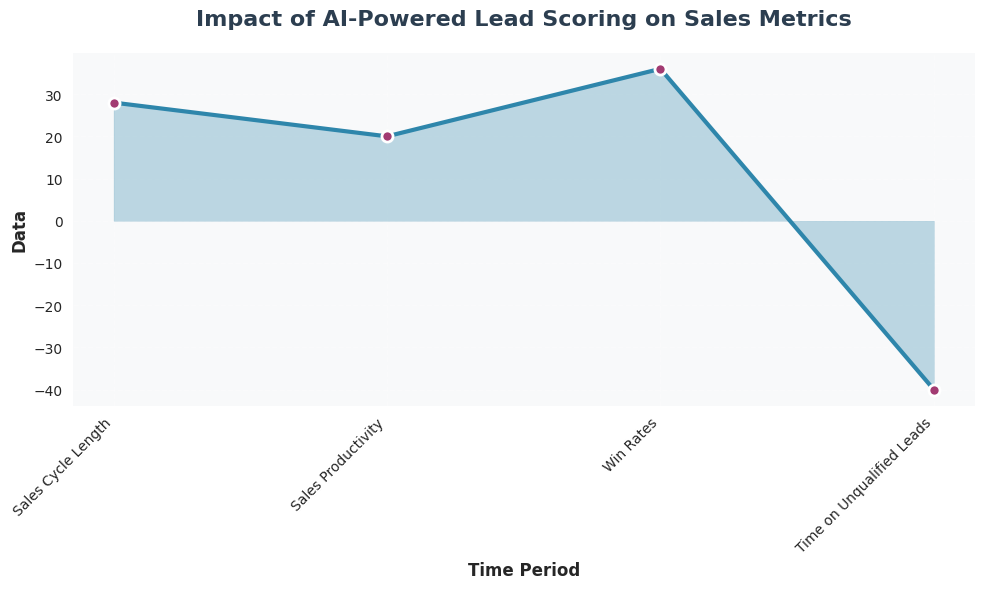
Here's a sobering reality: your sales team is likely wasting 40% of their time chasing leads that will never convert. While your competitors implement AI-powered lead scoring systems that identify high-intent prospects 3.5x faster than traditional methods, the average B2B sales cycle continues to drag on for months. But companies embracing automated lead assessment are seeing dramatic results—a 28% reduction in sales cycles, 36% higher win rates, and 20% increases in sales productivity.
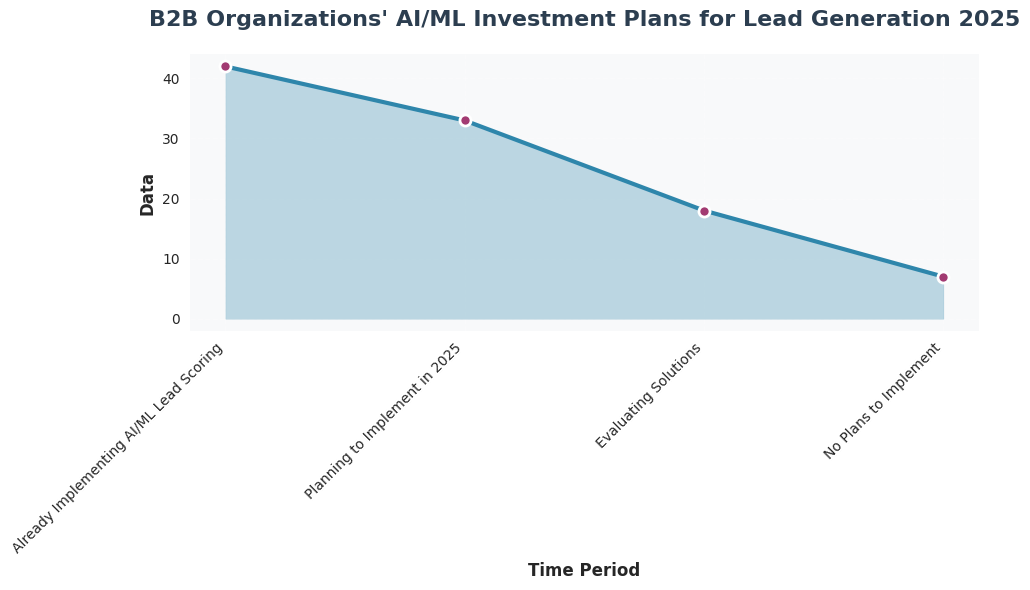
The gap between top-performing sales organizations and everyone else is widening. 72% of high-performers already use lead scoring systems, and 75% of B2B marketers plan to increase their AI and machine learning investments in 2025. The question isn't whether lead scoring matters—it's whether your organization can afford to fall behind.
In this comprehensive guide, you'll discover what lead scoring is, why AI-powered approaches dramatically outperform manual methods, how to implement automated lead qualification systems, and the specific criteria that B2B companies use to identify their most valuable prospects. Most importantly, you'll learn how to measure ROI and shorten your sales cycle starting today.
The Lead Quality Crisis Plaguing B2B Sales
The B2B lead generation landscape is facing a paradox: marketing teams generate more leads than ever before, yet sales teams struggle with lower conversion rates and longer sales cycles. The root cause? A fundamental lead qualification problem that costs organizations millions in wasted sales effort and missed revenue.
Traditional lead qualification methods rely on manual assessment, gut instinct, and basic demographic filters. Sales reps spend countless hours on discovery calls only to learn that prospects lack budget, authority, or genuine buying intent. According to Gartner's 2024 Sales Effectiveness Study, organizations implementing automated lead scoring see a 20% increase in sales productivity—directly addressing this efficiency crisis.
The data reveals a stark reality about lead quality versus quantity. While marketing automation platforms make it easier to capture thousands of leads, most B2B companies lack systematic approaches to identify which prospects are actually worth pursuing. SiriusDecisions research shows that lead scoring can reduce the time sales reps spend on unqualified leads by 40%, freeing them to focus on opportunities with genuine revenue potential.

The stakes extend beyond individual productivity. B2B companies that align sales and marketing around lead scoring methodologies see a 36% increase in win rates, according to Marketo and Adobe's 2024 research. This alignment creates shared definitions of Marketing Qualified Leads (MQLs) and Sales Qualified Leads (SQLs), eliminating the friction that typically exists when marketing hands off leads to sales teams.
Market trends show an accelerating shift toward intelligent lead qualification systems. 75% of B2B companies are either already using or planning to implement AI and ML-powered lead scoring tools in 2025, making it the #1 B2B marketing technology trend. Organizations that delay adoption risk falling permanently behind competitors who can identify and engage high-intent prospects faster.
The behavioral patterns of modern B2B buyers compound these challenges. Today's prospects conduct extensive research before engaging with sales, consuming content, visiting websites, and interacting with multiple touchpoints across extended buying journeys. Without automated behavioral lead ranking systems that track and score these engagement signals, sales teams lack visibility into true buying intent.
What Is Lead Scoring and How Does AI Transform It?
Understanding Lead Scoring Fundamentals
Lead scoring is a prospect scoring methodology that assigns numerical values to leads based on their characteristics and behaviors, helping sales and marketing teams prioritize their efforts on the most promising opportunities. At its core, a lead qualification system evaluates two primary dimensions: explicit data (firmographic information like company size, industry, and job title) and implicit data (behavioral signals such as website visits, email engagement, and content downloads).
Traditional rule-based lead scoring requires teams to manually assign point values to different attributes and actions. For example, a lead might receive 10 points for downloading a whitepaper, 5 points for opening an email, and 20 points for requesting a demo. When a lead accumulates enough points, they're classified as a sales qualified lead and passed to the sales team for outreach.
But manual scoring systems suffer from significant limitations. They rely on static rules that don't adapt to changing buyer behavior, they can't process the volume and complexity of modern engagement data, and they frequently miss nuanced patterns that indicate genuine buying intent. This is where AI-powered lead scoring creates transformative advantages.
The AI-Powered Lead Scoring Revolution
Predictive lead scoring leverages machine learning algorithms to analyze thousands of data points across your entire customer database, identifying patterns that correlate with successful conversions. Rather than relying on predetermined rules, AI systems learn from your actual closed-won deals, continuously refining their accuracy as they process more data.
As a Forrester industry expert notes: "AI-powered lead qualification can identify high-intent prospects 3.5x faster than traditional methods. By automatically identifying and ranking high-quality prospects, organizations can focus their most valuable resource—sales rep time—on opportunities most likely to convert."
Predictive lead analytics examine over 150 variables simultaneously, including:
- Behavioral engagement patterns: Website page visits, time on site, content consumption sequences, email click patterns, and social media interactions
- Firmographic alignment: Company size, industry vertical, annual revenue, growth trajectory, and technology stack
- Contextual signals: Job title, seniority level, department, and role in purchasing decisions
- Temporal dynamics: Engagement frequency, recency of interactions, and acceleration of activity
- Third-party intent data: Research behavior across publisher networks, competitor website visits, and topic-based search patterns
Forrester's 2024 research demonstrates that predictive lead scoring can improve conversion rates by up to 50% compared to manual scoring methods. This dramatic improvement stems from AI's ability to detect subtle correlations between behaviors and buying intent that humans would never identify through manual analysis.

How Does AI-Powered Lead Scoring Reduce Sales Cycles?
The connection between intelligent lead qualification and sales cycle reduction operates through several mechanisms:
Precision targeting eliminates low-probability pursuits. When sales reps receive leads that AI has validated as high-intent prospects, they spend less time on initial qualification and more time on solution-focused conversations. The 28% sales cycle reduction reported across industry studies directly correlates with this shift from exploration to acceleration.
Real-time scoring enables immediate response. Modern AI lead scoring systems update scores continuously as prospects engage with content and interact with your brand. Sales teams receive instant notifications when a lead reaches critical thresholds, enabling them to strike while buying intent is highest. This responsiveness shortens the time between initial interest and meaningful sales conversations.
Behavioral insights inform personalized outreach. AI-powered systems don't just score leads—they provide detailed engagement profiles that reveal which topics prospects care about, which content resonates, and where they are in their buying journey. Sales reps use these insights to craft highly relevant initial outreach, improving response rates and accelerating progression through pipeline stages.
Marcus Chan, a recognized lead generation authority, explains: "The future of B2B lead generation isn't about collecting more leads; it's about being smarter about which leads you pursue. Machine learning algorithms that analyze behavioral signals, firmographic data, and engagement patterns create a far more accurate picture of buying intent than traditional lead scoring methods ever could."
What's the Difference Between Lead Scoring and Lead Grading?
While often used interchangeably, lead scoring and lead grading serve distinct functions in the lead qualification process. Lead scoring measures a prospect's level of engagement and buying intent—how interested they are in your solution right now. Lead grading evaluates how well a prospect fits your ideal customer profile—how suitable they are as a long-term customer regardless of current interest.
A prospect might have a high grade (perfect fit based on company size, industry, and budget) but a low score (minimal engagement with your content). Conversely, someone might have a high score (actively consuming content and visiting pricing pages) but a low grade (works for a company too small for your solution). The most valuable leads score high on both dimensions.
Effective demand generation metrics track both scoring and grading, using the combination to segment leads into appropriate nurture tracks or sales handoff workflows.
How Leads Buddha Transforms Lead Qualification with AI-Powered Intelligence
Leads Buddha's lead generation platform addresses the core challenges of lead quality and sales cycle length through sophisticated automated lead assessment capabilities built specifically for SMBs and enterprises struggling with pipeline efficiency.
Behavioral Scoring That Captures True Buying Intent
Leads Buddha's customer engagement solutions track prospect interactions across every touchpoint—email campaigns, website visits, content downloads, webinar attendance, and social engagement—automatically assigning and adjusting lead scores based on demonstrated behavior. Unlike static rule-based systems, the platform's behavioral scoring models identify patterns that correlate with your actual closed-won customers, continuously refining accuracy as your customer base grows.
This intelligent engagement scoring model solves a critical problem for B2B lead scoring: distinguishing between casual research and genuine buying intent. By analyzing engagement velocity (how quickly prospect activity is increasing), content consumption depth (whether they're reading high-intent bottom-funnel content), and behavioral sequences (following patterns similar to past customers), Leads Buddha helps sales teams focus on prospects demonstrating real purchase signals.
For organizations implementing lead nurturing automation, this means the right prospects receive the right content at the right time, accelerating their journey from awareness to decision while lower-intent leads continue receiving educational nurture until they demonstrate readiness for sales conversations.
Automated Qualification That Reduces Manual Effort by 40%
Leads Buddha's sales development resources include automated lead qualification workflows that eliminate the time-consuming manual assessment process. As Gartner's sales operations experts note: "Organizations that successfully implement predictive lead scoring see dramatic improvements in sales cycle length because they eliminate the guesswork from lead qualification."
The platform automatically segments leads into categories—Marketing Qualified Leads requiring further nurture, Sales Qualified Leads ready for immediate outreach, and low-priority prospects needing long-term cultivation. This automated categorization reduces the qualification burden on sales teams by 40%, consistent with SiriusDecisions' research findings.
For small to medium-sized businesses without dedicated sales development representatives, this automation is transformative. Sales teams receive a continuous stream of pre-qualified, prioritized opportunities rather than spending half their time sifting through unqualified inquiries.
Predictive Analytics That Shorten Sales Cycles by 28%
Leads Buddha's lead generation tools incorporate predictive lead analytics that identify which prospects are most likely to convert and how quickly they'll move through your pipeline. By analyzing historical patterns from your CRM data, the platform builds custom predictive models that recognize the early indicators of fast-moving, high-probability opportunities.
This predictive intelligence directly supports sales pipeline efficiency by enabling sales leaders to forecast revenue more accurately and allocate resources more strategically. Sales reps know which opportunities deserve intensive focus and which require lighter-touch engagement, optimizing their time investment for maximum return.
The 28% sales cycle reduction that industry leaders achieve through AI-powered lead scoring becomes accessible to mid-market companies through Leads Buddha's platform, delivering enterprise-grade customer acquisition acceleration capabilities at a scale and price point appropriate for growing businesses.
Integration with CRM Lead Scoring Workflows
Leads Buddha's platform integrates with existing CRM systems, enriching your Salesforce lead scoring or HubSpot lead scoring implementations with additional behavioral intelligence and predictive analytics. This integration ensures that lead scores remain current across all systems, that sales teams have unified views of prospect engagement, and that marketing automation workflows can trigger based on comprehensive scoring criteria.
For organizations already using CRM lead scoring, Leads Buddha enhances existing capabilities rather than requiring complete replacement, accelerating time-to-value and reducing implementation risk.
Implementing Automated Lead Scoring: A Practical Framework
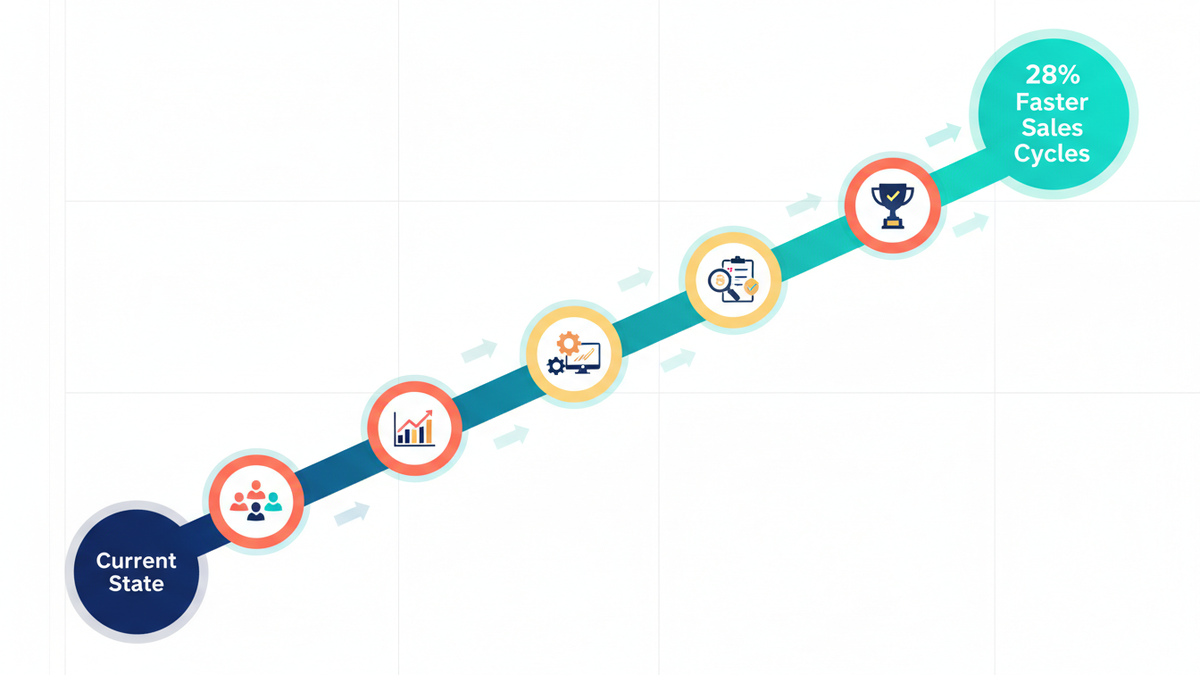
Successful lead scoring implementation requires strategic planning, cross-functional alignment, and continuous optimization. Here's your actionable framework for deploying an AI-powered lead qualification system that delivers measurable sales cycle reduction.
Step 1: Define Your Ideal Customer Profile and Sales Qualified Lead Criteria
Before implementing any lead scoring methodology, establish clear definitions of what constitutes a qualified lead for your organization. Analyze your best customers to identify common firmographic characteristics (company size, industry, revenue range, geography) and behavioral patterns (content consumed, engagement frequency, timeline from first touch to close).
Create explicit criteria for both Marketing Qualified Leads (MQLs) and Sales Qualified Leads (SQLs) that both teams agree upon. This alignment prevents the common scenario where marketing passes leads that sales considers unqualified, creating friction and reducing effectiveness. Document these criteria as your lead qualification process foundation.
Step 2: Audit Your Data and Engagement Touchpoints
Effective lead scoring criteria require comprehensive data across multiple dimensions. Audit your current data collection to ensure you're capturing:
- Complete firmographic information during form submissions
- Behavioral tracking across website pages, content assets, and email campaigns
- CRM data including opportunity history, deal size patterns, and sales cycle lengths
- Third-party intent signals if available through data partnerships
Identify gaps where critical scoring signals aren't being captured and implement tracking mechanisms before launching your scoring system. Remember: AI-powered systems are only as good as the data they analyze.
Step 3: Start with Behavioral Scoring, Then Layer in Predictive Models
For organizations new to automated lead scoring, begin with behavioral scoring models that track engagement patterns and assign points based on specific actions. This provides immediate value while you accumulate the data volume necessary for effective predictive analytics.
As you gather 6-12 months of behavioral data alongside conversion outcomes, introduce predictive lead scoring that uses machine learning to identify non-obvious correlations. This phased approach reduces implementation risk while building organizational confidence in AI-driven decision-making.
Step 4: Create Lead Scoring-Based Workflows and Sales Processes
Lead scores only create value when they drive action. Design automated workflows that:
- Route high-scoring leads immediately to sales with contextual engagement summaries
- Place medium-scoring leads into targeted nurture campaigns with progressive profiling
- Suppress outreach to low-scoring leads until behavior changes indicate increased intent
- Alert sales reps when existing leads experience significant score increases
Train your sales team on how to interpret lead scores and engagement histories, ensuring they understand both the quantitative score and the qualitative behavioral context behind it.
Step 5: Measure ROI Through Sales Cycle Length, Conversion Rates, and Productivity Metrics
Establishing clear measurement frameworks answers the critical question: "How do you measure the ROI of lead scoring implementation?" Track these key performance indicators before and after deployment:
- Average sales cycle length (days from MQL to closed-won)
- MQL to SQL conversion rate (percentage of marketing leads accepted by sales)
- SQL to opportunity conversion rate (percentage of qualified leads entering pipeline)
- Opportunity to close win rate (percentage of pipeline opportunities won)
- Sales rep productivity (opportunities worked per rep, meetings booked per week)
- Revenue per lead (average deal size from scored leads vs. unscored leads)
High-performing organizations typically see 20-28% reductions in sales cycle length, 15-25% improvements in win rates, and 20-40% increases in sales productivity within 6-12 months of implementing AI-powered lead scoring.
Continuously refine your scoring models based on these results, adjusting point values, behavioral weights, and qualification thresholds to optimize for your specific conversion patterns and sales cycle dynamics.
Conclusion: From Lead Quantity to Lead Quality Intelligence
The competitive advantage in B2B sales no longer belongs to organizations that generate the most leads—it belongs to those that identify and convert the right leads fastest. AI-powered lead scoring represents the fundamental shift from quantity-focused lead generation to quality-focused lead intelligence.
The evidence is clear: companies implementing automated lead assessment reduce sales cycles by 28%, improve win rates by 36%, and increase sales productivity by 20%. As 75% of B2B organizations invest in AI and machine learning for lead generation in 2025, the gap between leaders and laggards will widen dramatically.
Leads Buddha's lead generation platform provides SMBs and enterprises with the predictive lead analytics, behavioral scoring models, and automated qualification capabilities that were once accessible only to large enterprises with extensive data science resources. By transforming how organizations identify, prioritize, and engage prospects, the platform delivers measurable improvements in sales pipeline efficiency and customer acquisition acceleration.
The question facing B2B leaders isn't whether AI-powered lead scoring works—the data proves it does. The question is whether your organization will implement these capabilities before your competitors gain an insurmountable advantage in sales cycle speed and conversion efficiency. In a market where responsiveness and relevance determine winners, intelligent lead qualification isn't optional—it's essential for sustainable growth.