Harnessing AI for Predictive Lead Scoring Strategies in 2026
Leads Buddha
Explore the future of AI in lead scoring with advanced analytics.
Harnessing AI for Predictive Lead Scoring Strategies in 2026
Introduction
In the quest to optimize lead conversion rates, businesses are increasingly turning to artificial intelligence (AI) for predictive lead scoring solutions. As we approach 2026, the adoption of AI-driven technologies is set to revolutionize how companies prioritize and convert leads. This blog will explore the significant trends and strategies surrounding AI lead scoring, using data-driven insights to paint a clear picture of the future landscape.
The Transformation of Lead Scoring through AI
AI technology is dramatically shifting the lead scoring paradigm from manual, often biased processes to automated, real-time analytical systems. According to industry experts from Monday.com, machine learning algorithms are at the core of this transformation, continuously refining their predictions and ensuring accuracy and adaptability.
Key Developments
- Automated and Real-Time Analysis: AI-driven systems allow for real-time processing, significantly reducing the time-to-service an inbound lead by up to 31% [1].
- Increased Conversion Rates: By eliminating biases, AI lead scoring improves speed and focus, enhancing conversion rates [2].
Data Insights and Market Trends
Adoption Growth
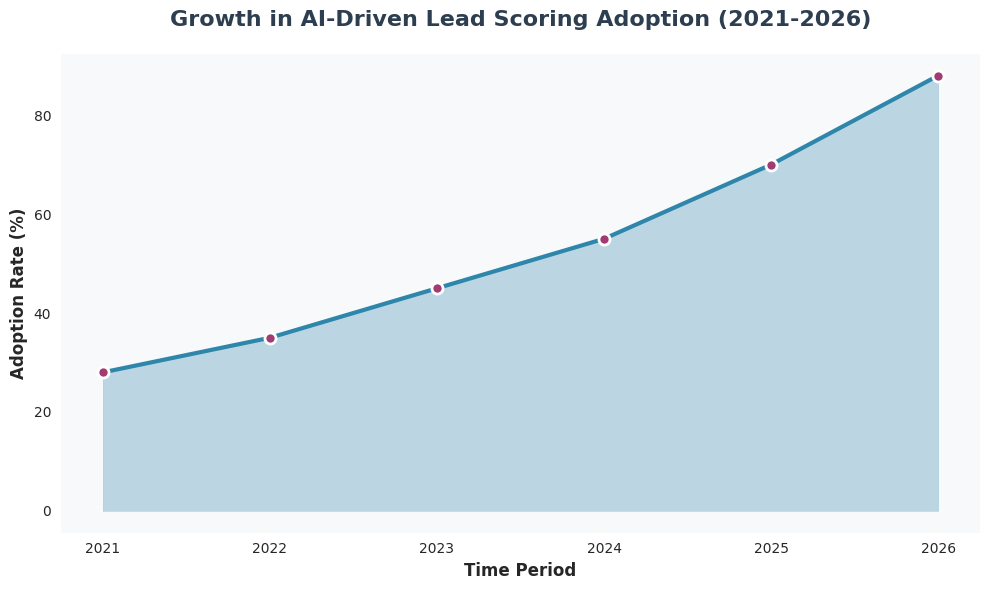
From 2021 to 2026, the adoption of AI-driven lead scoring technologies is expected to skyrocket, moving from a 28% to an 88% adoption rate [3]. This rapid growth phase highlights the increasing reliance on AI solutions as businesses strive to maintain competitive advantages.
Market Segmentation
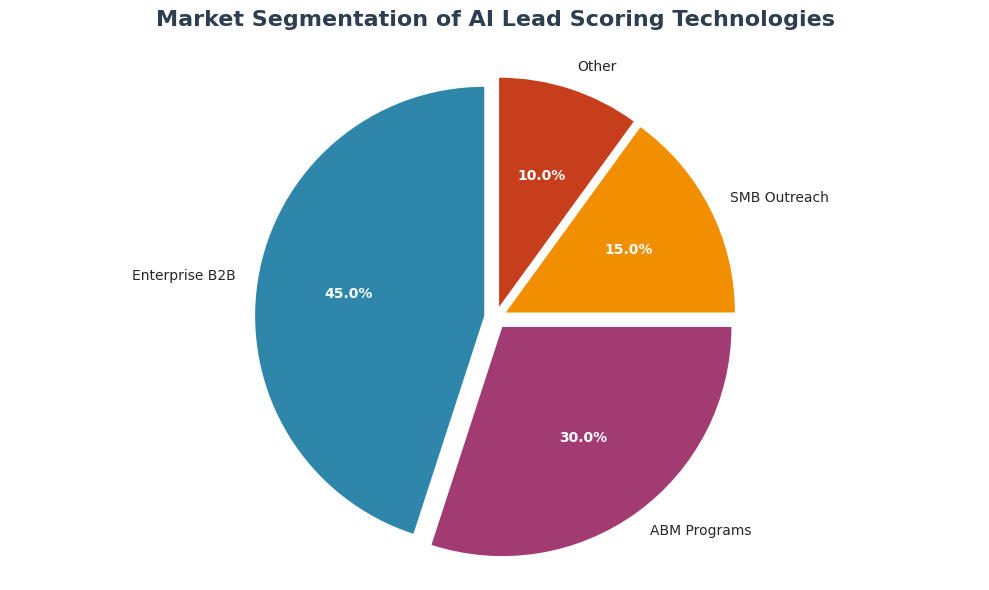
In 2026, the AI lead scoring market will primarily be dominated by Enterprise B2B applications, followed by Account-Based Marketing Programs (ABM), and Small to Medium Business (SMB) outreach efforts [4].
Implications for Lead Generation Strategies
The integration of AI into lead scoring processes allows businesses to handle significantly higher lead volumes, improving pipeline management while reducing the reliance on human resources. According to a recent report by Default Source, companies utilizing AI lead scoring can manage up to a 10x increase in lead volume [1].
Correlation with Conversion Rates
Increased AI integration correlates positively with improved conversion rates, emphasizing the technology's role in creating more efficient sales processes [4].
Conclusion and Actionable Takeaways
AI-powered lead scoring is not just a trend; it's the future of efficient sales and marketing strategies. As we navigate towards 2026, businesses must consider the following to leverage AI effectively:
Invest in AI Technologies: Prioritize AI-predictive analytics to optimize lead scoring and conversion processes.
Focus on Real-Time Data: Utilize systems capable of real-time data analysis to enhance lead prioritization and resource allocation.
Monitor and Adapt: Continuously adapt AI algorithms to align with ever-evolving market conditions.
By embracing these strategies, companies can significantly improve their lead conversion rates and maintain a competitive edge in a rapidly advancing digital landscape.